reviving lost riverscapes through Process-based valley-Reset restoration
Reconnect
|
Restore
|
rewild
|
Reconnect | Restore | rewild |
REVIVE is an environmental consulting firm specializing in reconnecting and rehydrating river valleys through process-based valley-reset restoration. We partner with clients across the West to design and deliver innovative projects that restore natural function, resilience, and ecological integrity.
Why Revive
VISION
We reimagine and restore resilient, thriving riverscapes to maximize ecological uplift at the valley scale. Our vision is grounded in re-establishing the physical and biological processes that allow rivers, floodplains, and riparian systems to function dynamically over time.
Experience
We are pioneers and leaders in valley-reset restoration, with 24 successful Stage 0 / Stage 8 projects and over 80 years of combined experience. Our work spans diverse watersheds and regulatory contexts, translating cutting-edge science into constructible, permit-ready designs that deliver measurable, process-based outcomes.
commitment
We commit to long-term engagement with riverscapes, clients, and communities—supporting monitoring, adaptive management, and learning so that insights from each project strengthen future restoration efforts and improve outcomes over time.
What is process-based valley-reset restoration?
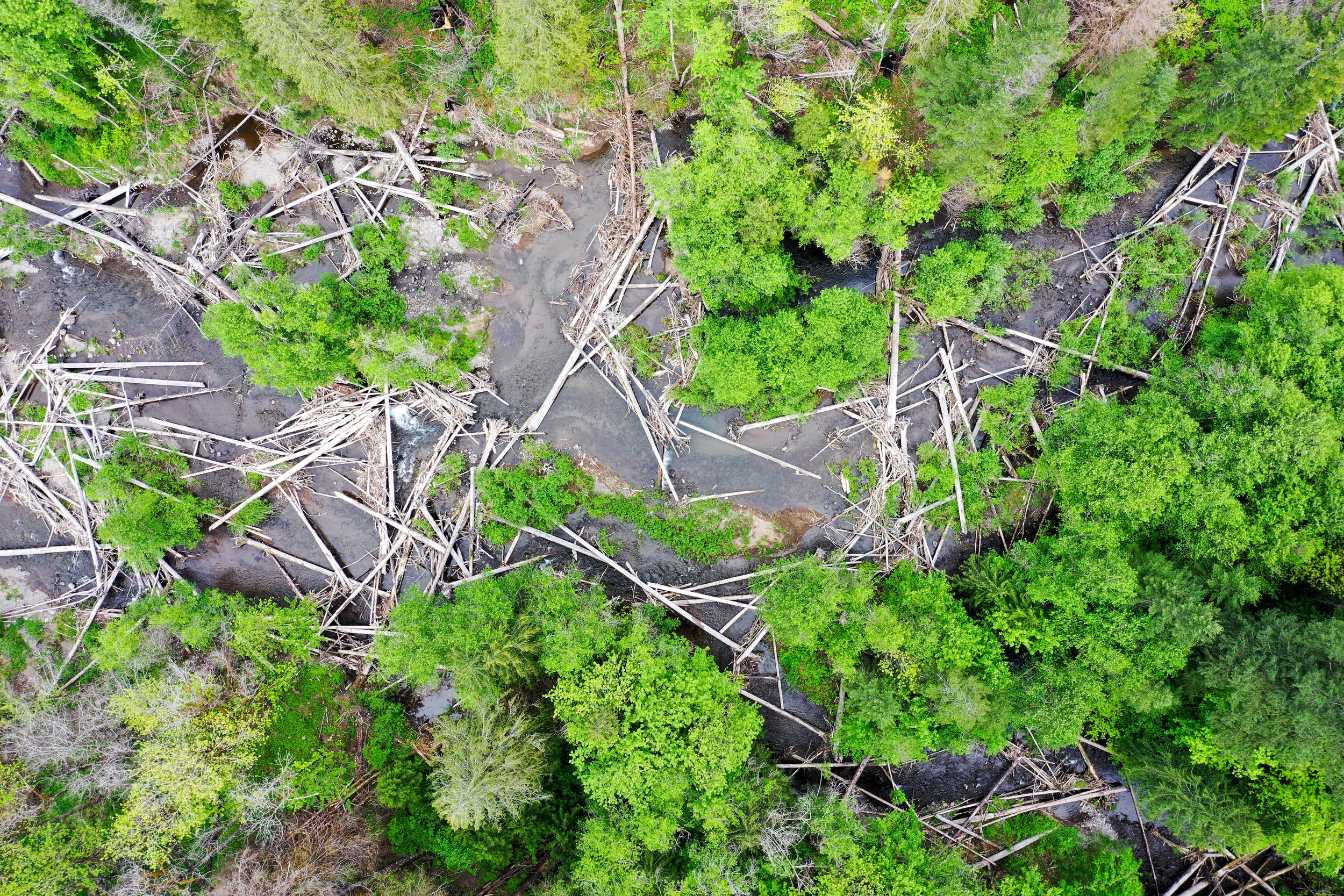
Process-based restoration to a Stage 0 condition is a valley-scale approach that restores the hydrologic, geologic, and biological processes that shape streams and wetlands. By reconnecting channels to floodplains and restoring water-wood-sediment interactions, this approach rehydrates valleys under baseflow conditions and allows dynamic stream–wetland networks to form. In unconfined valleys, reversing channel incision shifts systems from transport-dominated to depositional, increasing water, wood, sediment, and nutrient storage; supporting diverse habitats; and improving resilience to floods, drought, wildfire, and climate change.
Valley-reset restoration applies active techniques—such as filling incised channels using sediment sourced from within the valley, adding abundant wood, and redistributing flow across the valley bottom—to re-establish depositional processes where passive recovery is unlikely. While process-led techniques like beaver dam analogues (BDAs) can support gradual recovery where system capacity remains, valley-reset rapidly advances systems toward Stage 0 conditions in highly degraded valleys where passive methods would take far longer.
Services
-
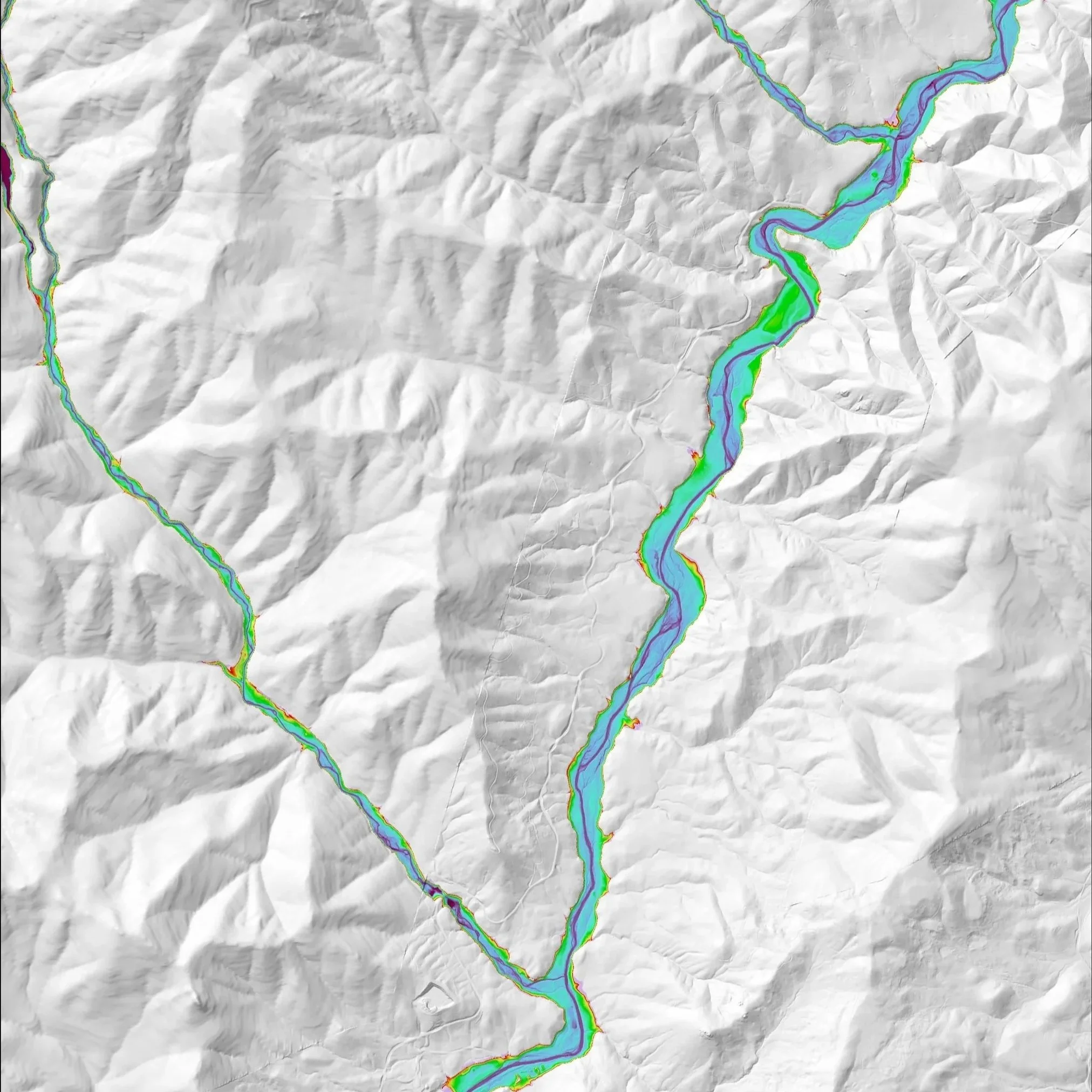
![Topographical map showing a river winding through mountainous terrain with colored contour lines.]()
Valley Reconnection Feasibility Assessment
We evaluate watershed- and valley-scale opportunities for floodplain reconnection using geomorphic, hydrologic, ecological, and land-use analyses to identify where process-based valley reconnection is feasible and appropriate. Assessments include constraints screening, risk considerations, and prioritization to inform phased implementation.
-
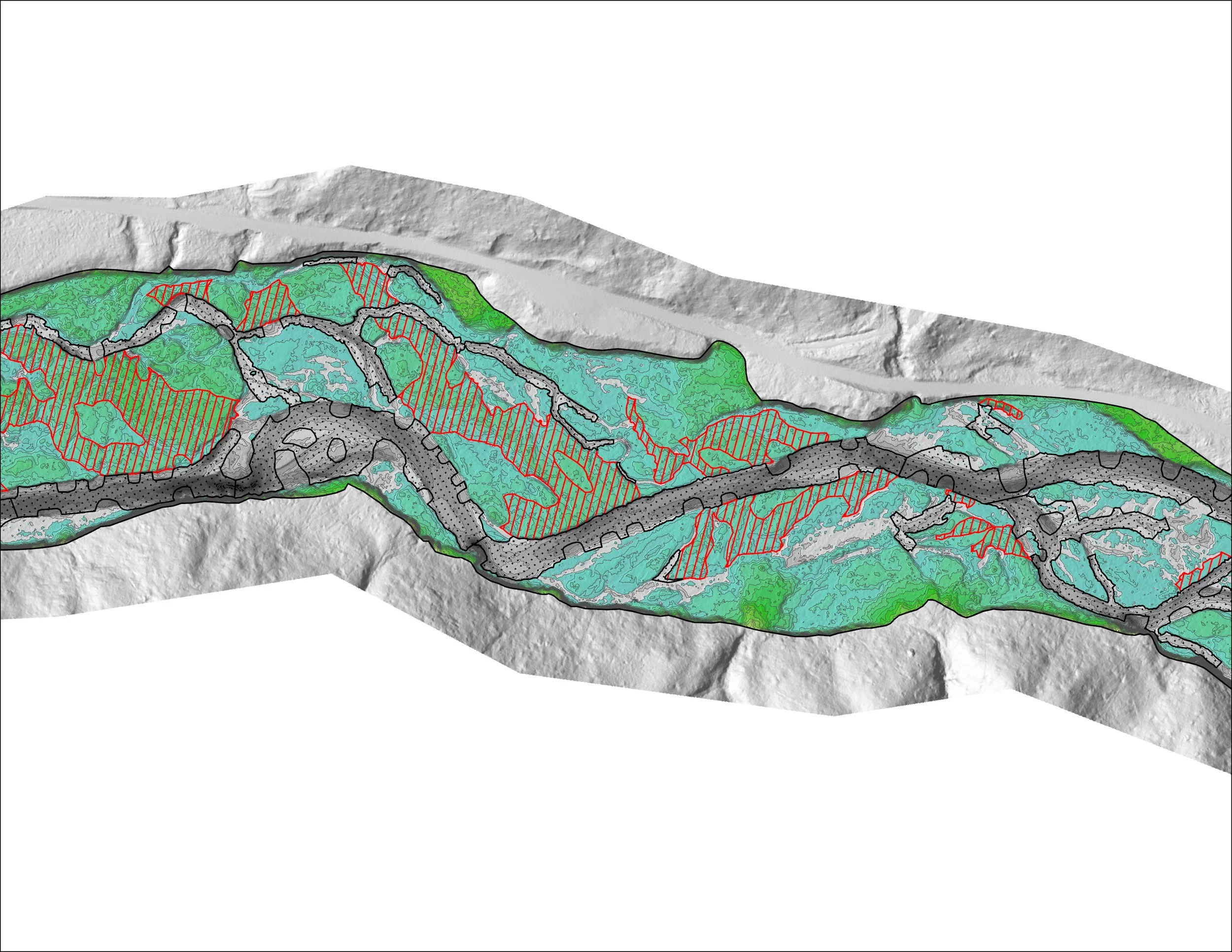
![A 3D topographical map of a terrain with contour lines, shaded areas in green, blue, and gray, and red-striped zones indicating specific regions or features.]()
Valley-reset (Stage 0/8) Design
We develop process-based restoration designs that restore wetlands or anastomosing riverscapes, maximum floodplain connectivity, and valley-scale hydrologic function through regrading and strategic wood placement. Designs are advanced from conceptual through final and tailored to site constraints, risk tolerance, and project objectives. We are currently subcontracting engineering support when needed.
-
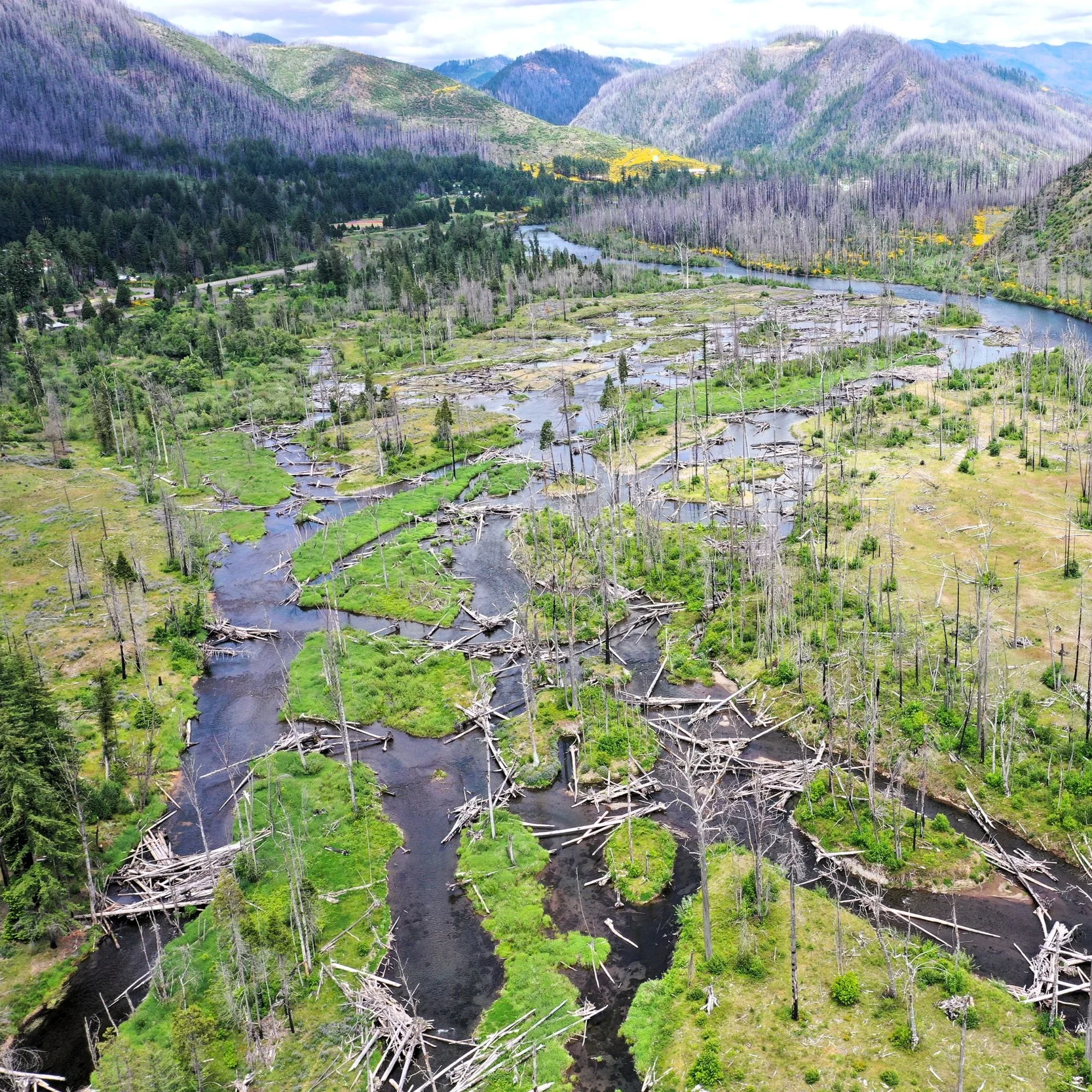
![Aerial view of a river in a valley surrounded by mountains, with many dead trees and fallen logs in the water and on the land, indicating environmental damage.]()
Permitting & Regulatory Support
We support state, federal, and local permitting and environmental compliance for restoration and infrastructure projects, including permit pathway development, agency coordination, and technical documentation.
-
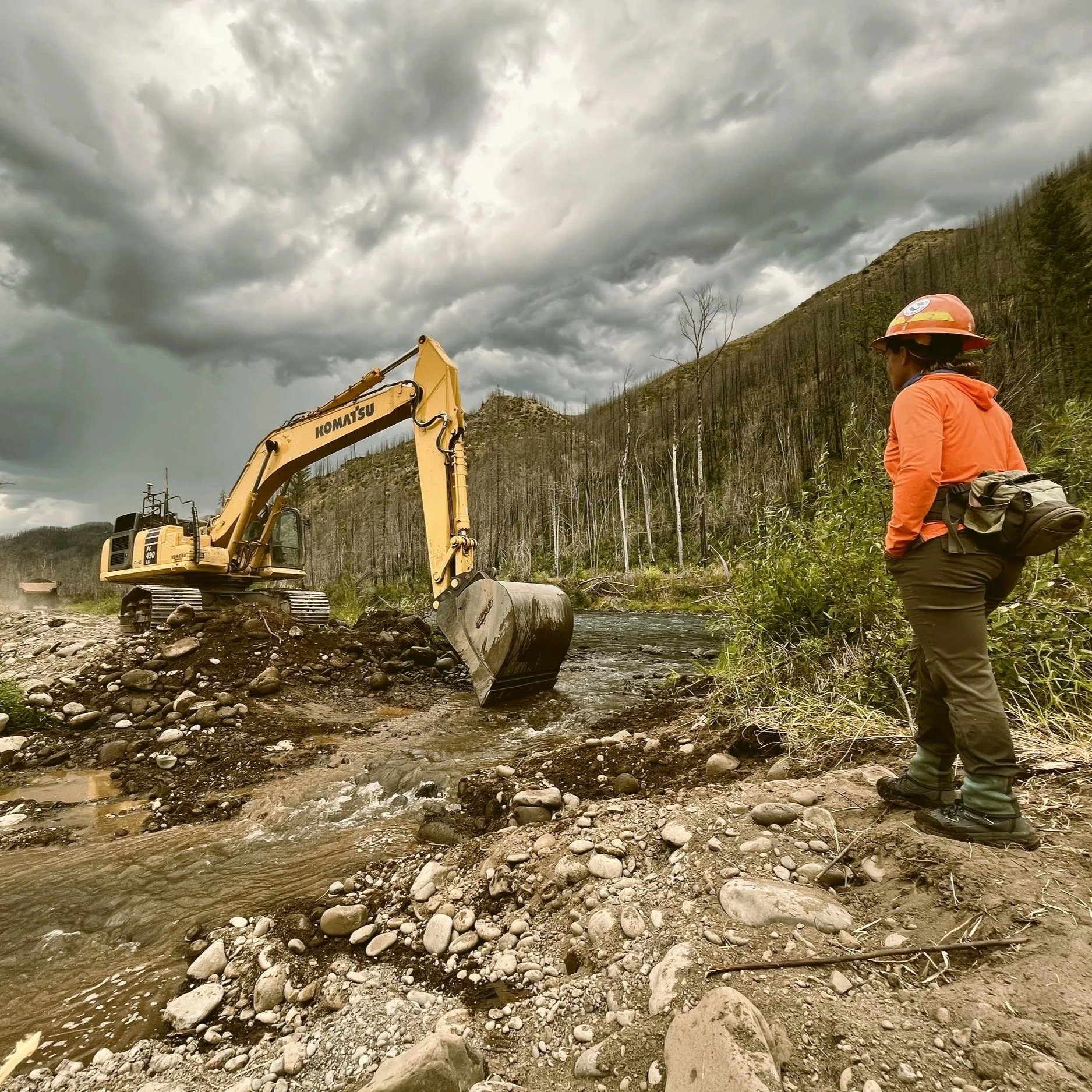
![A person wearing an orange jacket and hat stands on a rocky riverbank observing a yellow excavator moving rocks and debris in a river. The scene is set against a backdrop of cloudy skies and a hillside with sparse trees.]()
Construction Oversight
We provide construction-phase support to ensure restoration intent, permit conditions, and biological protection measures are implemented effectively in the field. Services include on-site coordination, adaptive decision-making, and documentation to support compliance and successful project delivery. Adaptive management is central to successful valley-reset construction and our experience from 24 projects allows us to make informed, on-site decisions that improve outcomes in dynamic field conditions.
-
![Two people in orange helmets and outdoor gear wade through a rocky river, one using a net to catch aquatic creatures while the other holds a fishing pole, with a third person partially visible on the left.]()
Fish & Wildlife Relocation
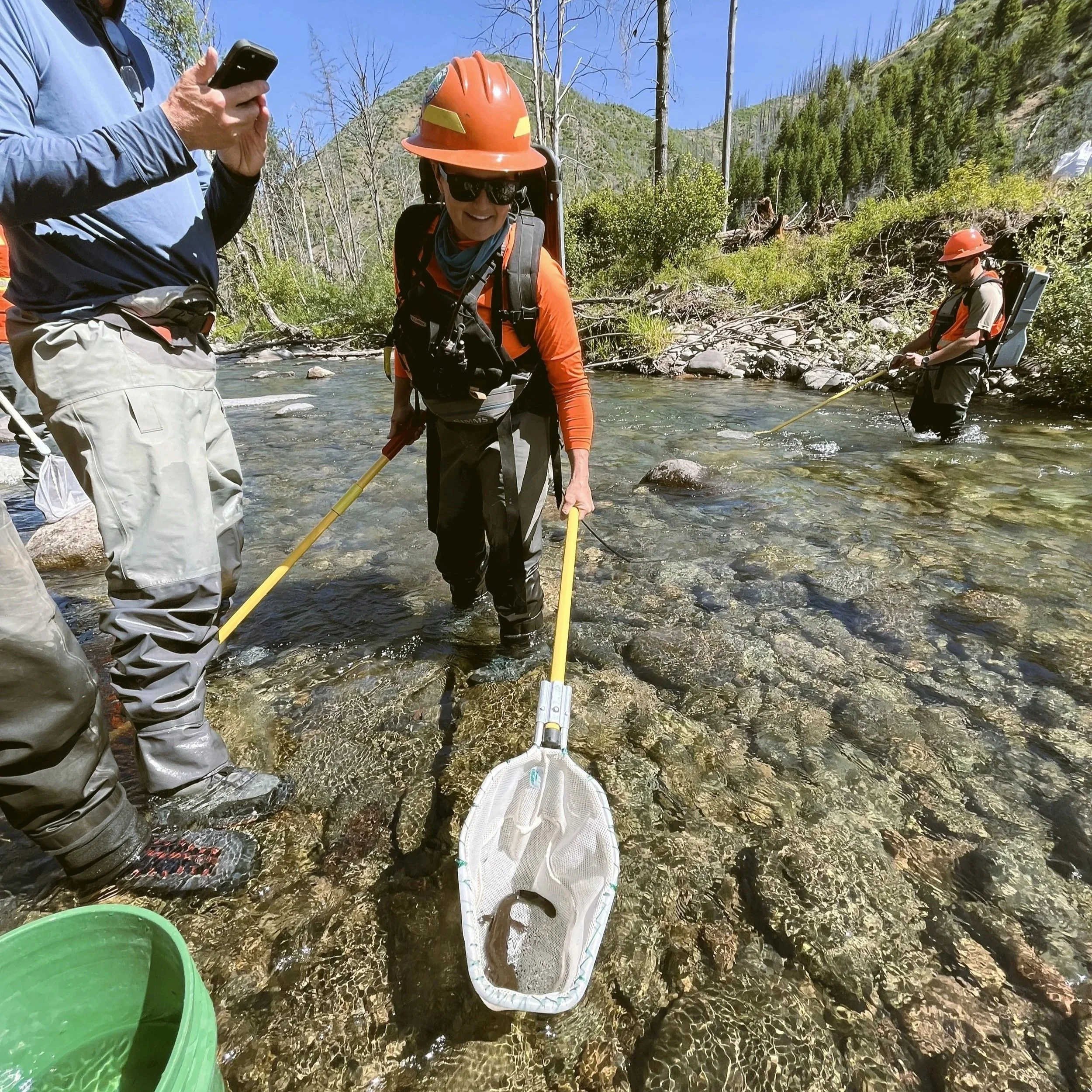
We provide fish and wildlife rescue and salvage planning, permitting support, and field-based operational services, including capture, handling, relocation, and monitoring, associated with in-water work and construction dewatering for a wide range of projects.
-
![A close-up of a brown trout swimming in a river near the shoreline with trees and a fallen log in the background.]()
Monitoring & Adaptive Management
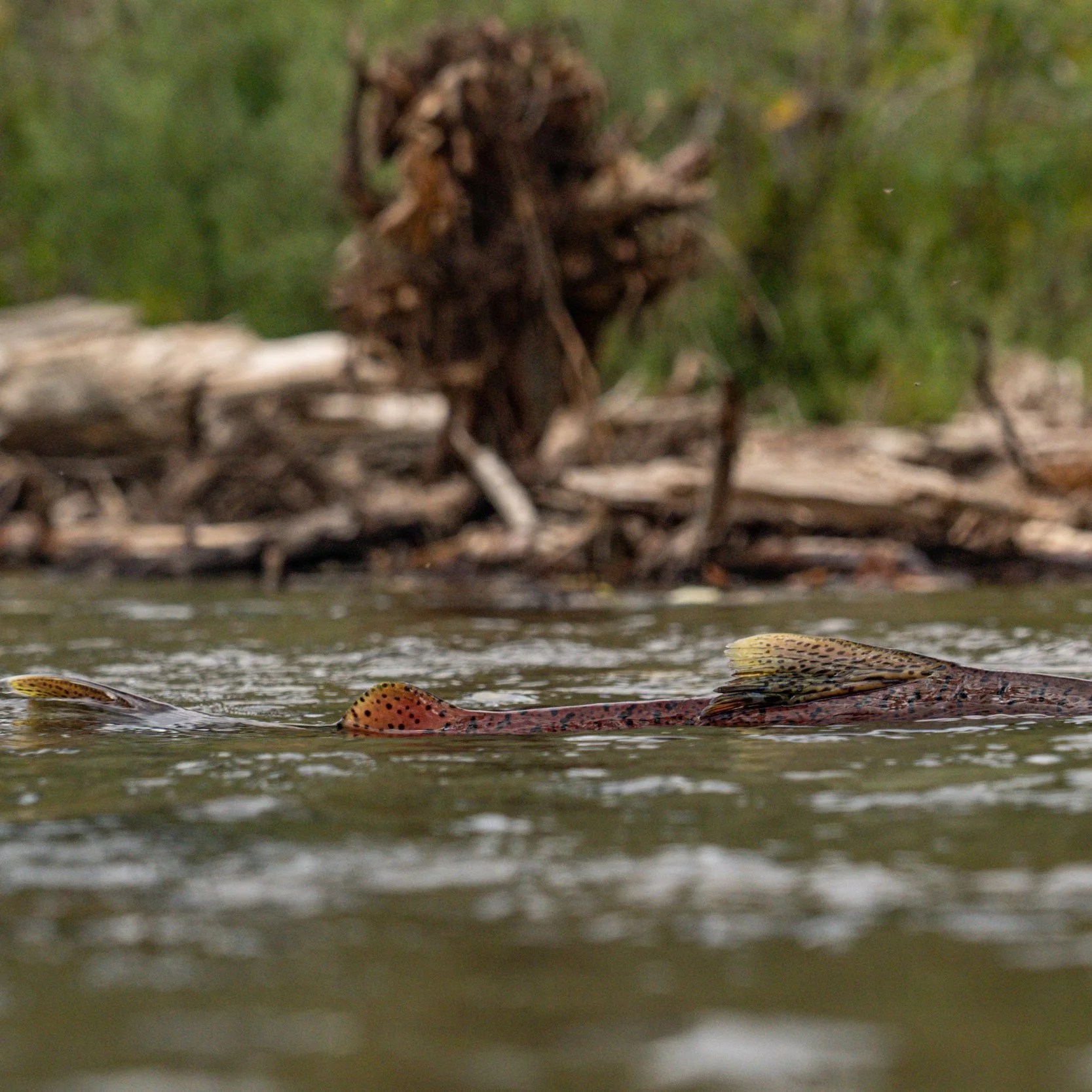
We design and implement effectiveness monitoring programs to evaluate physical and ecological responses to restoration and inform adaptive management over time. Monitoring frameworks are scaled to project objectives, risk, and funding requirements, with clear performance metrics and decision thresholds. Conventional effectiveness monitoring approaches are often insufficient for evaluating process-based aquatic restoration. We are advancing a new monitoring framework for valley-reset projects that emphasizes system dynamics, spatial heterogeneity, and trajectory-based assessment.